
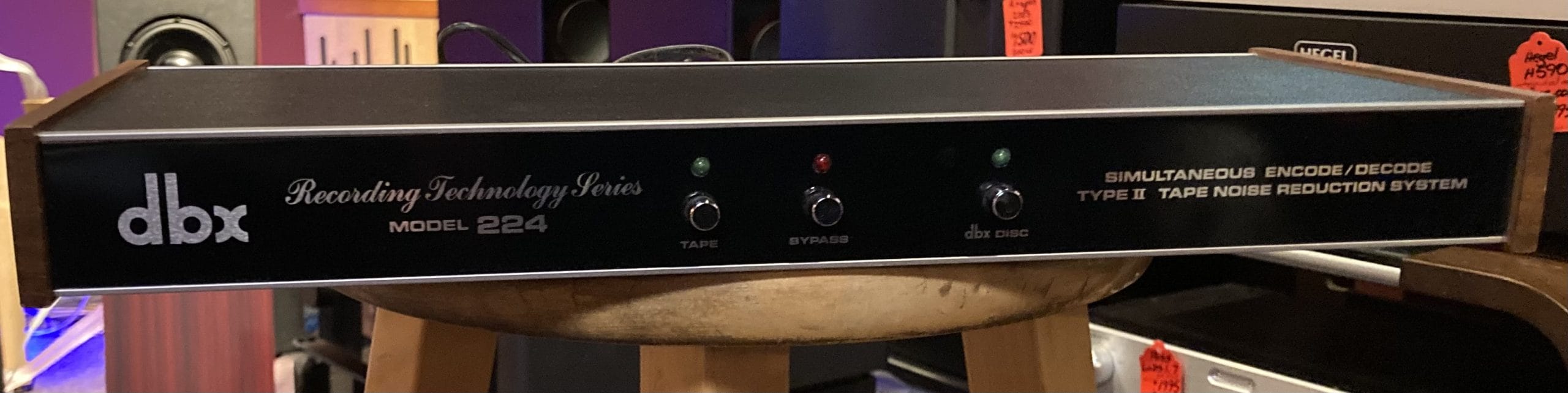
Used Good
DBX 224 Tape Noise Reduction
Status & Appearance:
$125.00
Related products

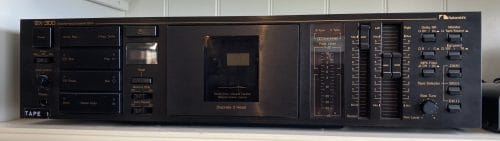
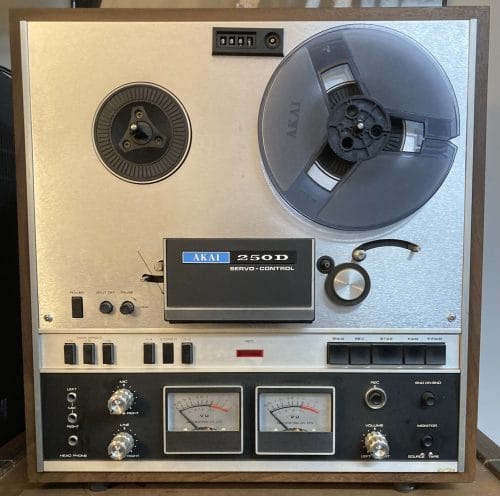
Akai 250D Reel to Reel Deck
$395.00
Description
The dbx 224 Tape Noise Reduction System is one of the most influential and widely used analog noise‑reduction units ever developed for magnetic tape recording and playback. Introduced by dbx, Inc. in the mid‑1970s, the 224 brought advanced companding‑based noise reduction to tape decks, multitrack recorders, and professional studios, significantly improving the dynamic range and noise floor of analog recordings. While Dolby systems were better known in consumer hi‑fi gear, dbx’s companding approach delivered greater noise suppression and clearer midrange reproduction—especially on multi‑track recorders and broadcast equipment.
Unlike simpler noise‑reduction schemes that merely boosted high frequencies to mask hiss, the dbx 224 operates with a full‑bandwidth compander. A compander (compressor‑expander) works by compressing the audio signal’s dynamic range during recording, then expanding it in playback. This process reduces the relative level of tape hiss across the entire audible band, allowing quieter passages to remain intelligible while preserving musical dynamics. The result is a dramatic reduction in apparent background noise and an increase in usable dynamic range—commonly in the 20–30 dB noise‑reduction range—without introducing severe high‑frequency buildup or the “swishy” artifacts that sometimes accompany other systems.
Physically, the dbx 224 is a 1‑rack‑space analog processor with straightforward front‑panel controls and clear metering. Its layout is symmetrical, with Input and Output level controls flanking a central gain reduction meter that shows compression/expansion activity in real time. A Noise Reduction In/Out switch on each channel lets the user monitor the effect of the system directly, helping engineers optimize settings for a given tape speed or source. The control set also includes record/playback mode selection, threshold adjustments, and fine‑tuning of the compander’s operating point, providing detailed control over how aggressively noise reduction is applied.
In studio environments of the 1970s and 1980s, the 224 earned a reputation for clean, transparent noise removal that was especially effective on multi‑track tape machines. Users could record at lower tape speeds or fit longer recording times on a reel without succumbing to excessive hiss. It also helped analog mastering engineers produce quieter mixdowns before final editing or broadcast. dbx’s companding approach was later adapted into other formats and even into the professional broadcast standard (dbx’s “Type I” and “Type II” noise reduction), but the 224 remains the signature hardware model that brought that technology into practical use.
Consumers and hi‑fi enthusiasts eventually embraced dbx noise reduction in some high‑end cassette decks—where it promised significantly lower hiss than Dolby B—and in outboard processors like the 224. Even though digital recording has largely supplanted analog tape, the 224 is still prized by tape devotees, vintage engineers, and collectors for its role in pushing analog recording performance to previously unattainable levels. Many surviving units continue to operate reliably in professional studios, project houses, and home‑recording setups.
Review Quotes
“The dbx 224 gave tape decks a serious reduction in noise with minimal artifacts compared to other systems.” — Vintage pro audio commentary
“Companding with the 224 makes quiet passages noticeably clearer with less hiss.” — Enthusiast observation in classic recording forums
“One of the best noise‑reduction processors for analog multitrack in its era.” — Professional studio endorsement
Key Specifications
Type: Outboard analog tape noise‑reduction processor
Channels: Dual (Left & Right)
Noise‑Reduction Method: Full‑bandwidth dbx companding
Noise Reduction Amount: Typically ~20–30 dB (varies with setup)
Controls:
Input Level (Left/Right)
Output Level (Left/Right)
Noise Reduction In/Out switches
Threshold/Record/Playback mode selectors
Display: Dual gain‑reduction VU‑style meters (Left & Right)
Connectors: Balanced XLR and unbalanced ¼″ TRS inputs/outputs (varies by unit/config)
Power: Standard IEC mains input
Dimensions: 1U rackmount chassis
Typical Uses: Studio tape decks, broadcast chains, multitrack recorders, hi‑fi cassette decks (with dbx support)